Utilizing Electricity: A Coming Era of Electromagnetic Innovation
In the current world, the role of electricians has become crucial than ever. As we adopt cutting-edge technologies and integrate smart systems into our homes, grasping the details of electrical systems is critical for ensuring protection and effectiveness. From residential installation codes to troubleshooting common electrical issues, the knowledge held by electricians not only ensures the integrity of our homes but also improves our overall quality of life.
As we delve deeper into the future of electrical technology, we will examine various key topics that every homeowner should be aware of. Whether it involves installing new outlets, recognizing the importance of Ground Fault Circuit Interrupters, or dealing with the complexities of different voltage applications, each component plays a significant role in maintaining a safe and functional electrical system. By equipping ourselves with the right information and best practices, we can harness energy effectively and create smart, contemporary living environments. spintax
Residential Wiring: Codes and Safety
Comprehending residential electrical wiring regulations and safety is essential for anyone engaged in electrical work. These codes, primarily regulated by the National Electrical Code (NEC), are designed to ensure secure installation and operation of electrical systems. They specify proper wiring practices, the categories of materials to use, and installation procedures that minimize the risk of electrical hazards. Electricians must keep current on local codes, as municipalities may have particular amendments that adjust to local conditions.
Risk Management is paramount when dealing with electricity. It is critical to follow established safety procedures to prevent accidents such as shocks, thermal injuries, or fires. This includes ensuring proper grounding of systems, using the correct circuit breakers, and assessing the surrounding environment for possible risks. The role of safety equipment, such as personal protective gear and non-conductive tools, is critically important. Electricians must also be adept in identifying and resolving safety infractions in existing wiring systems to protect both themselves and future occupants.
In addition to understanding codes and safety, electricians need to be aware of common household electrical problems and how to handle them. From tripped breakers to flickering lights, knowing how to diagnose and fix these problems is crucial. Maintaining compliance with wiring standards not only enhance safety but also increases the durability and dependability of electrical systems, which ultimately supports the growing demand for advanced electrical technology in domestic settings.
Common Electrical Troubleshooting
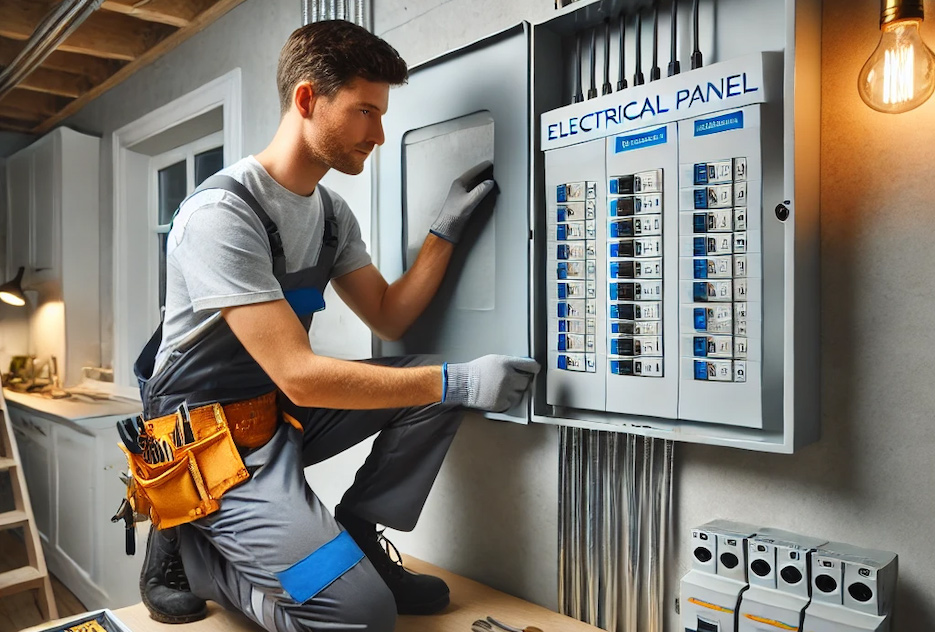
As faced with common household electrical issues, the initial step is to determine the problem correctly. One of the frequent culprits is reset breakers. When multiple outlets or lights stop working, checking the central service panel for a reset breaker is important. Resetting it usually resolves the issue, but should it trips again, there may be an intrinsic problem such as excessive circuits, short circuits, or faulty devices that need more investigation.
A further frequent issue is blinking lights, which can be annoying and concerning. Flickering can result from a loose connection, an excessive circuit, or even issues with the shared neutral wire in multiple branch circuits. Homeowners should examine light fixtures and switches for stable connections and, if necessary, consult a qualified electrician for more situations. Frequent maintenance of existing wiring for deterioration signs can help avert these issues.
Additionally, households might face intermittent power issues, which can be annoying and hard to diagnose. These issues may stem from old wiring or junctions that have become compromised over time. Correctly comprehending service entrance conductors and meter bases, alongside estimating load requirements for appliances, can offer insights into whether the existing system is capable of supporting current demands. When these troubleshooting steps do not yield results, it is always recommended to call a qualified electrician who can offer the required expertise.
Smart Residence Wiring Recommended Practices
While preparing for smart home electrical work, one should important to start with a comprehensive evaluation of your existing power setup. Assess the load requirements for intelligent appliances and equipment, as they may significantly increase the demand on your circuits. Be certain to determine the overall load to avoid overloading existing circuits. https://bm-electrical.uk/ ensures safety but also improves functionality for your intelligent home systems. Should you be unsure about the calculations of loads, you might want to consulting a qualified electrician.
Choosing the appropriate gauge wire is crucial in intelligent house setups. For most smart devices, 14 AWG wire is typically sufficient, but larger devices, such as intelligent heating and cooling systems, can call for 12 AWG wire or thicker. Furthermore, ensure you utilize wire suitable for the specific type of environment, especially for devices used outdoors. Proper wire selection not only boosts safety but also increases the performance and durability of the smart home system.
To sum up, integrating proper earthing and surge protection into your connected home electrical work infrastructure is vital. GFCIs (GFCIs) should be installed in locations where water could occur, such as restrooms and kitchens. Additionally, using surge suppressors can protect sensitive smart devices from surges in voltage. Following these best practices will help create a reliable and safe intelligent environment, boosting both comfort and safety.